






Program Overview
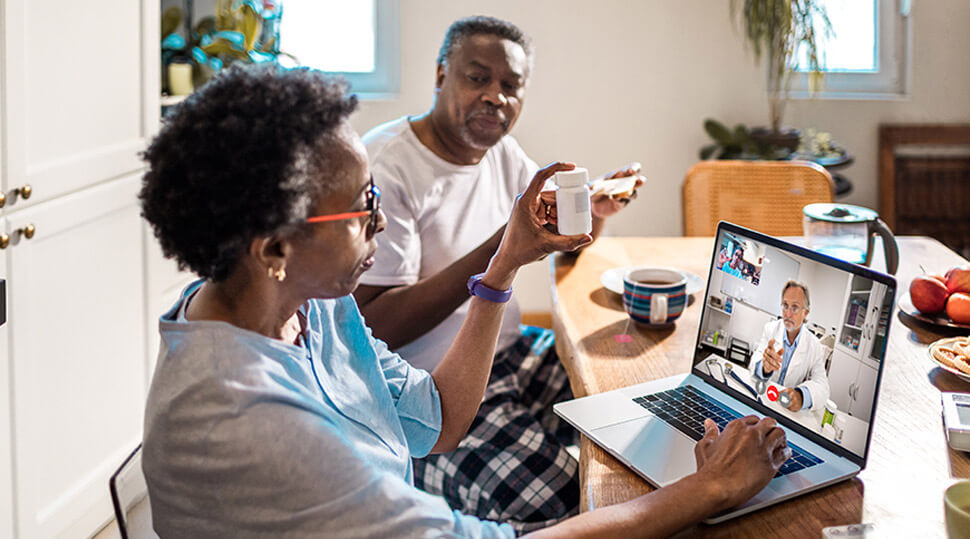
Diabetes Reversal Partners is a telemedicine practice for patients with type 2 diabetes or related conditions (including prediabetes, obesity, or heart disease risk). For many individuals the goal is diabetes remission, which means normal (or near-normal) blood sugar without diabetes medication. Although there is no cure for type 2 diabetes, we define “Diabetes Reversal” as the process of improving diabetes via lifestyle behaviors as much as possible, ideally to the point of remission.
Patients work directly with Michael Dansinger MD via video visits. The first visit typically lasts about 1 hour and follow-up visits last about 20 minutes. Visits occur weekly at first and continue as needed to achieve and maintain progress. Participants are free to discontinue the program at any time. Medical visits are typically billed to Medicare or Medicare Advantage PPO plans for little or no out-of-pocket cost.
Patients “partner” with us to achieve meaningful improvements in blood sugar control and overall health. To accomplish this we start by listening to each patient and learning about them as individuals. We help patients identify an “eating strategy” based on their medical situation and food preferences. We provide structure, accountability, encouragement, and practical experience. In other words, we enthusiastically provide one-on-one lifestyle coaching consistent with the standard-of-care for diabetes treatment, reversal, and prevention.


Eligibility & Insurance
Applicants are eligible for this program if they:
- Live in one of these states: FL, MA, MN, NH, NY, or VA
- Have a primary care provider, and
- Have been diagnosed with one or more of the following conditions:
- Diabetes
- Pre-diabetes
- Obesity
- Heart disease
- Stroke
- High blood pressure
- High cholesterol
- Insulin resistance
- Fatty liver
We currently accept these insurance plans:
- Original Medicare
- Medicare Advantage PPO (not HMO)
- Most Massachusetts plans
Eating Strategies
Food is a key determinant of overall health, disease prevention, blood sugar control, and weight loss. However, there is no single “best diet” for diabetes reversal. Fortunately there are many good eating strategies for diabetes reversal, as shown by research studies and clinical experience. Importantly, all strategies have strengths and drawbacks, and must be followed closely in order to achieve substantial results. That is why our approach enthusiastically embraces a wide range of eating strategies. We provide practical information, structure, accountability, and encouragement to help each patient follow their specifically designed eating strategy as closely as possible.
Common Eating Strategies
This is a list of some of the eating strategies we’ve successfully employed. Patients can choose among these strategies or we can recommend a specific one tailored to the patient’s medical situation and food preferences.
Click on each one for a description (ordered according to carbohydrate content).
Initially limits total carbohydrates to 20-50 grams daily. Focuses on a wide range of proteins and non-starchy vegetables. This plan is very effective for weight loss, blood sugar control, and medication reduction. It is fairly restrictive and can sometimes increase LDL (bad) cholesterol.
Initially limits total carbohydrates to 20-50 grams daily. Focuses on a wide range of proteins and non-starchy vegetables. This plan is very effective for weight loss, blood sugar control, and medication reduction. It is fairly restrictive and can sometimes increase LDL (bad) cholesterol.
Inspired by the natural human diet during prehistoric times. Focuses on fish, shellfish, lean poultry/meat, eggs, nuts, fruits and vegetables. It is fairly restrictive and very effective.
Emphasizes lean proteins/dairy, vegetables, and fruit. Substantially limits grains, starches and foods with added sugar. Approximately 30-40% of calories come from carbohydrates. This is a very popular approach to diabetes treatment.
Reflects the eating style of countries near the Mediterranean sea. Emphasizes vegetables, beans, whole grains, fruits, healthy fats, and seafood. Avoids large portions and minimizes processed foods and red meat.
Reflects conventional dietary advice for patients with diabetes. Emphasizes balance, variety, and portion control to limit calorie intake. Approximately 50-55% of calories come from carbohydrates.
Emphasizes vegetables, beans, fruits, whole grains, egg whites and non-fat dairy. Avoids meat, poultry, seafood, added sugar and processed starchy foods. Approximately 70% of calories come from carbohydrates. This plan is very restrictive but works very well for diabetes reversal due to weight loss.
Emphasizes vegetables, beans, fruits, whole grains, nuts, and healthy fats. Avoids all animal foods and processed food with starch and/or sugar. This plan is very restrictive but works very well for health improvement and blood sugar control.


Program Results & Medication Reduction
Dr. Dansinger’s previous patients with type 2 diabetes who followed the program beyond 3 months have seen outstanding results:
- Average weight loss of 10% (for example going from 220 to 198 pounds)
- Average hemoglobin A1c reduction of 1.5 points (for example from 7.9% to 6.4%)
- Average relative improvement in A1c of 1.5 points compared to non-participants throughout 2 years of follow-up
- A1c 6.0% or less without diabetes drugs in one-third of participants
- Diabetes remission sustained beyond 2 years in 80% of participants who achieved A1c of 6.0% or less
- Blood sugar improvements and weight loss in 98% of participants
Diabetes reversal often includes reduction and/or discontinuation of medication for diabetes or related conditions. For example, many patients have reduced or discontinued medications for control of blood sugar, blood pressure, cholesterol, or esophageal reflux as a result of significant weight loss. Sometimes treatments for sleep apnea can be reduced or discontinued.
Any decisions about medication changes must be made by the patient’s primary care provider (and/or prescribing clinician). Diabetes Reversal Partners does not discontinue or initiate any prescription medication. However, we often help program participants understand when it may be appropriate to consider discussing medication changes with their healthcare providers and we can assist and update other healthcare providers as needed or requested by the patient.
Frequently Asked Questions
Dr. Dansinger has been seeing patients with Type 2 Diabetes for over 25 years, and has focused on lifestyle coaching for diabetes reversal since 2006. He has coached thousands of patients, including some for over a decade. Most of this work has been through Tufts University Medical Center in Boston.
Dr. Dansinger started Diabetes Reversal Partners in March 2023.
There’s an art and science to diabetes reversal and prevention. The proven way to reverse and prevent diabetes is to take the strain off the overworked pancreas. Finding and sticking to the right eating strategy is crucially important for doing so. See the section called “How to Reverse Type 2 Diabetes—a 5-Step Approach”. Dr. Dansinger has been practicing and mastering the art of diabetes reversal and prevention since 2006.
This practice is similar to a concierge medical practice because it provides the rare opportunity to have frequent, on-time, un-rushed visits with a highly trained healthcare provider who takes a personal interest in each patient. Patients in concierge medical practices typically pay hundreds of dollars in membership fees each month for that degree of service and close relationship. We’re proud to provide concierge-level service without the membership fees.
No. We accept patients with a history of any of these conditions: diabetes, prediabetes, obesity, heart disease, stroke, high blood pressure, high cholesterol, insulin resistance, fatty liver.
Patients are under no obligation to continue participation any longer than they need and desire. Some patients discontinue after 1 visit and others continue for many years.
In general, insurance companies do not limit the frequency and duration of medical visits between patients and healthcare providers as long as the visits are medically appropriate. For Type 2 Diabetes, clinical guidelines recommend intensive lifestyle counseling for weight loss and glucose control—specifically 16 visits or more over a 6-month period, plus maintenance visits beyond that. Medicare allows self-referral for this program and does not limit the frequency or duration of program participation. Commercial insurance plans (including Medicare Advantage) vary significantly, and often require patients to obtain a referral by their primary care provider in order to participate. If you have commercial insurance our coordinator can help you determine whether our program is covered and whether you require a referral from your primary care provider.
If you have Original Medicare with a secondary policy then the out-of-pocket cost is typically zero (aside from the Medicare annual deductible, if not covered by your secondary policy).
If you have Medicare Advantage PPO then the out-of-pocket cost is typically $0 to $30 per visit, depending on the specifics of your policy.
For commercial plans that we accept, the required copayment will typically match the copayment you would normally have for seeing your Primary Care Provider.
In general, all insurance plans (including Medicare) require that patients first meet their annual deductible (for all medical expenses combined) before insurance starts to cover any medical expenses.
Yes. Saving money in the long term is one of the potential benefits of this program. Patients have the potential to save money by avoiding or reducing future healthcare expenses caused by worsening health. Potential cost savings documented by research studies include reduced future need for expensive diabetes medications, reduced risk of emergency room visits, reduced risk of hospitalizations, and reduced risk of serious complications associated with uncontrolled diabetes. The greater the A1c reduction and blood sugar improvements, the greater the potential cost savings.
In many cases the answer is yes. The majority of cost savings resulting from diabetes improvements, reversal, and prevention are gained by insurance companies and the Medicare program because they are the ones who would otherwise bear most of the financial burden caused by expensive diabetes medications, preventable hospitalizations and diabetes complications. According to 2017 data, people with diabetes incurred average medical expenditures of $16,752 per year, of which $9,601 was attributed to diabetes (paid mostly by insurance companies and Medicare). On average, people with diabetes have medical expenditures at least 2.3 times higher than what expenditures would be in the absence of diabetes. Medical office visits account for only 13% of the total healthcare costs in patients with diabetes—the rest is attributed to hospitalizations, medications, supplies, and treatment of diabetes complications. The initial costs to insurance companies and Medicare resulting from increased tele-health visits is small compared to their future cost savings if you achieve and maintain significant health improvements resulting from program adherence. All parties (patients, families, employers, healthcare providers and society in general) benefit and save money when diabetes is reversed or prevented.
If you try one or two visits and decide to discontinue then it’s okay. It’s better to give it a try than to not give yourself the opportunity to succeed. We honestly do not know if you as an individual will be able to follow through with this program. We will do everything we can to help you. We will listen to you, get to know you over time, and provide friendly expertise, structure, accountability, and encouragement. To succeed in this program you will have to do your part by applying yourself. We’ll train you how to follow an eating strategy that we determine together. We’ll ask you to follow the plan closely and keep a food log using your smartphone or a notebook. You’ll need to put time and effort into planning your meals and make thoughtful decisions about your eating choices. Most people can succeed, but nobody knows until they make a sincere effort to do so.
We strive for 90% adherence. Nobody is perfect and we do not aim for perfection. A good eating strategy finds the right balance—strict enough to work, but flexible enough to actually follow adequately.
We will ask you to keep track of what you eat using a free smartphone app (called LoseIt!) otherwise you may use a small notebook. Doing so allows us to “see” what you’re eating. This is like your medical team’s eyes—without it we are working in the dark. Reviewing a food log together has proven itself to be an absolute necessity for patients to achieve meaningful results. It seems to be an “inconvenient truth” that helps drive accountability and meaningful feedback. Successful patients log their food; those who decline almost never succeed. It typically takes less than 5 minutes per day—a very small price to pay compared to the benefits of program success.
We absolutely want to help you increase your weekly physical activity. We do not “require” exercise in order to participate in this program. We coach patients to gradually increase their physical activity, aiming for at least 7 hours per week if possible. Walking, bicycling, swimming, group fitness classes, resistance training, and flexibility training are common examples of what patients are doing to improve and maintain health.
Many patients have been able to discontinue diabetes medications because their weight loss and eating strategy allowed good blood sugar control without the aid of medications. However, any decisions about medication changes must be made by the patient’s primary care provider (and/or prescribing clinician). Diabetes Reversal Partners does not discontinue or initiate any prescription medication. However, we often help program participants understand when it may be appropriate to consider discussing medication changes with their healthcare providers and we can assist and update other healthcare providers as needed or requested by the patient.
No, but if a patient’s primary care provider or other healthcare provider prescribes it, we can help the patient achieve optimal results as a result of a healthy eating strategy and lifestyle plan. Those medications are meant to be combined with intensive lifestyle coaching. We can also help patients maintain weight loss and achieve potential diabetes remission after discontinuing such medication.
With your permission we will be happy to reach out to your primary care provider to request a referral (if required for insurance purposes). If you become a participant in our program, we will provide written updates about your program participation and progress to your primary care provider.
Patients typically provide us with enough information to get started without needing access to the entire past medical record. We will ask you for the names of your medications and any medical conditions. We will ask you to provide the names of your healthcare providers. When medically necessary, we will ask you to give us permission to request relevant medical records from your healthcare providers.
Yes. We provide all patients with a description of our confidentiality policy and ask them to sign it after reviewing it and having all their questions answered. This is typical of any medical program.
We are happy to answer your questions. To contact our program coordinator please use the form provided by the “GET STARTED NOW” button. You may also leave a phone message at (617) 600-8863 or email your questions to Coodinator@DiabetesReversalPartners.com.